NewsPepper, Décembre 2025

La dernière newsletter de Pepper est en ligne

Découvrez les dernières actualités sur les perturbateurs endocriniens, la réglementation, la validation des méthodes et le parcours de Pepper, qui fait le lien entre la recherche et l’impact réglementaire.

🔍 Au sommaire de ce numéro :
🚨 Derniers développement politiques
📅 Récapitulatif des événements passées et à venir
🧪 Actualités Pepper

Ne manquez pas le prochain, inscrivez-vous dès maintenant : https://mailchi.mp/ed-pepper/newspepper_dec25-6254225

NewsPepper: the newsletter of the public-private platform for the validation of endocrine disruptors characterization methods
͏ ‌     ͏ ‌     ͏ ‌     ͏ ‌     ͏ ‌     ͏ ‌     ͏ ‌     ͏ ‌     ͏ ‌     ͏ ‌     ͏ ‌     ͏ ‌     ͏ ‌     ͏ ‌     ͏ ‌     ͏ ‌     ͏ ‌     ͏ ‌     ͏ ‌     ͏ ‌     ͏ ‌     ͏ ‌     ͏ ‌     ͏ ‌     ͏ ‌     ͏ ‌     ͏ ‌     ͏ ‌     ͏ ‌     ͏ ‌     ͏ ‌     ͏ ‌     ͏ ‌     ͏ ‌     ͏ ‌     ͏ ‌     ͏ ‌     ͏ ‌     ͏ ‌     ͏ ‌     ͏ ‌     ͏ ‌     ͏ ‌     ͏ ‌     ͏ ‌     ͏ ‌     ͏ ‌     ͏ ‌     ͏ ‌     ͏ ‌     ͏ ‌     ͏ ‌     ͏ ‌     ͏ ‌     ͏ ‌     ͏ ‌     ͏ ‌     ͏ ‌     ͏ ‌     ͏ ‌     ͏ ‌     ͏ ‌     ͏ ‌     ͏ ‌     ͏ ‌     ͏ ‌     ͏ ‌     ͏ ‌     ͏ ‌     ͏ ‌     ͏ ‌     ͏ ‌     ͏ ‌     ͏ ‌     ͏ ‌     ͏ ‌     ͏ ‌     ͏ ‌     ͏ ‌     ͏ ‌     ͏ ‌     ͏ ‌     ͏ ‌     ͏ ‌     ͏ ‌     ͏ ‌     ͏ ‌     ͏ ‌     ͏ ‌     ͏ ‌     ͏ ‌     ͏ ‌     ͏ ‌     ͏ ‌     ͏ ‌     ͏ ‌     ͏ ‌     ͏ ‌     ͏ ‌     ͏ ‌     ͏ ‌     ͏ ‌     ͏ ‌     ͏ ‌     ͏ ‌     ͏ ‌     ͏ ‌     ͏ ‌     ͏ ‌     ͏ ‌     ͏ ‌     ͏ ‌     ͏ ‌     ͏ ‌     ͏ ‌     ͏ ‌     ͏ ‌     ͏ ‌     ͏ ‌     ͏ ‌     ͏ ‌     ͏ ‌     ͏ ‌     ͏ ‌     ͏ ‌     ͏ ‌     ͏ ‌     ͏ ‌     ͏ ‌     ͏ ‌     ͏ ‌     ͏ ‌     ͏ ‌     ͏ ‌     ͏ ‌     ͏ ‌     ͏ ‌     ͏ ‌     ͏ ‌     ͏ ‌     ͏ ‌     ͏ ‌     ͏ ‌     ͏ ‌     ͏ ‌     ͏ ‌     ͏ ‌     ͏ ‌     ͏ ‌     ͏ ‌     ͏ ‌     ͏ ‌     ͏ ‌     ͏ ‌     ͏ ‌     ͏ ‌     ͏ ‌     ͏ ‌     ͏ ‌     ͏ ‌     ͏ ‌     ͏ ‌     ͏ ‌     ͏ ‌     ͏ ‌     ͏ ‌     ͏ ‌     ͏ ‌     ͏ ‌     ͏ ‌     ͏ ‌     ͏ ‌     ͏ ‌     ͏ ‌     ͏ ‌     ͏ ‌     ͏ ‌     ͏ ‌     ͏ ‌     ͏ ‌     ͏ ‌     ͏ ‌     ͏ ‌     ͏ ‌     ͏ ‌     ͏ ‌     ͏ ‌     ͏ ‌     ͏ ‌     ͏ ‌     ͏ ‌     ͏ ‌     ͏ ‌     ͏ ‌     ͏ ‌     ͏ ‌     ͏ ‌     ͏ ‌     ͏ ‌     ͏ ‌     ͏ ‌     ͏ ‌     ͏ ‌     ͏ ‌     ͏ ‌     ͏ ‌     ͏ ‌     ͏ ‌     ͏ ‌     ͏ ‌     ͏ ‌     ͏ ‌     ͏ ‌     ͏ ‌     ͏ ‌     ͏ ‌     ͏ ‌     ͏ ‌     ͏ ‌     ͏ ‌     ͏ ‌     ͏ ‌     ͏ ‌     ͏ ‌     ͏ ‌     ͏ ‌     ͏ ‌     ͏ ‌     ͏ ‌     ͏ ‌     ͏ ‌     ͏ ‌     ͏ ‌     ͏ ‌     ͏ ‌     ͏ ‌     ͏ ‌     ͏ ‌     ͏ ‌     ͏ ‌     ͏ ‌     ͏ ‌     ͏ ‌     ͏ ‌     ͏ ‌     ͏ ‌     ͏ ‌     ͏ ‌     ͏ ‌     ͏ ‌     ͏ ‌     ͏ ‌     ͏ ‌     ͏ ‌     ͏ ‌     ͏ ‌     ͏ ‌     ͏ ‌     ͏ ‌     ͏ ‌     ͏ ‌     ͏ ‌     ͏ ‌     ͏ ‌     ͏ ‌     ͏ ‌     ͏ ‌     ͏ ‌     ͏ ‌     ͏ ‌     ͏ ‌     ͏ ‌     ͏ ‌     ͏ ‌     ͏ ‌     ͏ ‌     ͏ ‌     ͏ ‌     ͏ ‌     ͏ ‌     ͏ ‌     ͏ ‌     ͏ ‌     ͏ ‌     ͏ ‌     ͏ ‌     ͏ ‌     ͏ ‌     ͏ ‌     ͏ ‌     ͏ ‌     ͏ ‌     ͏ ‌     ͏ ‌     ͏ ‌     ͏ ‌     ͏ ‌     ͏ ‌     ͏ ‌     ͏ ‌     ͏ ‌     ͏ ‌     ͏ ‌     ͏ ‌     ͏ ‌     ͏ ‌     ͏ ‌     ͏ ‌     ͏ ‌     ͏ ‌     ͏ ‌     ͏ ‌     ͏ ‌     ͏ ‌     ͏ ‌     ͏ ‌     ͏ ‌     ͏ ‌     ͏ ‌     ͏ ‌    ­ ­ ­ ­ ­ ­ ­ ­ ­ ­ ­ ­ ­ ­ ­ ­ ­ ­ ­ ­ ­ ­ ­ ­ ­ ­ ­ ­ ­ ­ ­ ­ ­ ­ ­ ­ ­ ­ ­ ­ ­ ­ ­ ­ ­ ­ ­ ­ ­ ­ ­ ­ ­ ­ ­ ­ ­ ­ ­ ­ ­ ­ ­ ­ ­ ­ ­ ­ ­ ­ ­ ­ ­ ­ ­ ­ ­ ­ ­ ­ ­ ­ ­ ­ ­ ­ ­ ­ ­ ­ ­ ­ ­ ­ ­ ­ ­ ­ ­ ­ ­ ­ ­ ­ ­ ­ ­ ­ ­ ­ ­ ­ ­ ­ ­ ­ ­ ­ ­ ­ ­ ­ ­ ­ ­ ­ ­ ­ ­ ­ ­ ­ ­ ­ ­ ­ ­ ­ ­ ­ ­ ­ ­ ­ ­ ­ ­ ­ ­ ­ ­ ­ ­ ­ ­ ­ ­ ­ ­ ­ ­ ­ ­ ­ ­ ­ ­ ­ ­ ­ ­ ­ ­ ­ ­ ­ ­ ­ ­ ­ ­ ­ ­ ­ ­ ­ ­ ­ ­ ­ ­ ­ ­ ­ ­ ­ ­ ­ ­ ­ ­ ­ ­ ­ ­ ­ ­ ­ ­ ­ ­ ­ ­ ­ ­ ­ ­ ­ ­ ­ ­ ­ ­ ­ ­ ­ ­ ­ ­ ­ ­ ­ ­ ­ ­ ­ ­ ­ ­ ­ ­ ­ ­ ­ ­ ­ ­ ­ ­ ­ ­ ­ ­ ­ ­ ­ ­ ­ ­ ­ ­ ­ ­ ­ ­ ­ ­ ­ ­ ­ ­ ­ ­ ­ ­ ­ ­ ­ ­ ­ ­ ­

EU provisional agreement to update water-pollutant priority lists: PFAS, bisphenols, pesticides included


·       On 23 September 2025, Council of the EU and European Parliament reached a provisional deal to revise the list of “priority pollutants” for surface- and groundwater. The updated list adds PFAS (including TFA), certain bisphenols, pesticides, pharmaceuticals and more.

·       This revision strengthens environmental-quality standards, updates norms, and aims to align regulation with latest scientific evidence.

·       Member States will have until 2039 (or under certain conditions until 2045) to comply fully; for some substances, deadlines may be earlier (e.g. 2033) depending on new standards.


European Chemicals Agency (ECHA) advances PFAS restrictions under REACH & call from endocrine-health societies


·       In October 2025, ECHA announced that its “Socio-Economic Analysis Committee” (SEAC) would issue its draft opinion on the revised PFAS restriction proposal — a necessary step before final ban decisions.

·       On October 30, key medical bodies — European Society of Endocrinology (ESE), European Society for Paediatric Endocrinology (ESPE), and Endocrine Society — jointly urged regulators to adopt a universal PFAS restriction, emphasizing health risks and the need to phase out PFAS where safer alternatives exist.


Evidence PFAS exposure may cause endocrine disruption in women


·       A recent study (Dec 2025) published the  medical journal  JAMA Network Open found that high PFAS exposure in women is associated with altered hormone profiles — reinforcing concerns about PFAS as endocrine disruptors.

·       This strengthens calls from health & endocrine societies for stricter regulation and accelerated removal of PFAS from consumer products and the environment.


ANSES confirms widespread PFAS in French tap water


·       A major nationwide study (2023–2025) by ANSES found that 92 % of tap-water samples tested positive for a PFAS breakdown product, trifluoroacetic acid (TFA).

·       Beyond the 20 PFAS covered by the EU drinking-water directive, the agency also detected other PFAS and calls for a broader monitoring scheme.

·       The findings are a wake-up call for regulators: many PFAS remain unmonitored despite pervasive presence.


European Chemicals Agency (ECHA) & Organisation for Economic Co-operation and Development (OECD) — Update of QSAR Toolbox and support for non-animal hazard assessment methods


·       On 8 October 2025, a new version of the OECD QSAR Toolbox (4.8) was released. The update includes enhancements to structural data import, metabolism databases, and improved transparency and security.

·       The upgraded toolbox supports computational predictions of chemical hazards, which can help avoid or reduce animal testing — aligning with ambitions of non-animal methods for endocrine disruptor (ED) assessment.


Santé publique France — New national health-surveillance program on exposures and effects of endocrine disruptors


·       On 7 November 2025, Santé publique France published a design for a health-surveillance program focused on the health effects of exposure to endocrine disruptors (EDs). The program prioritizes certain health outcomes (e.g. neurodevelopmental disorders in children, metabolic issues, reproductive health).

·       This marks a stepping stone toward what may feed into the upcoming second National Strategy on Endocrine Disruptors (Stratégie nationale sur les perturbateurs endocriniens – SNPE2), reinforcing monitoring at population level.


Scientific conferences and consortia

American Society of Toxicology (SOT) 2025


Peppers is being recognized for its work in the validation of methods and bridging a significant gap in non-animal methods (NAMs) to bring these into the test guideline system and regulatory use. Director Philippe Hubert was an invited speaker at the American Society of Toxicology (SOT) 2025 meeting in March presenting Peppers work on readiness of methods for validation, a work that is anchored in the ReadEDtest tool.

AFARA conference


Peppers CSO Torben Österlund was an invited speaker at the Dutch consortium for reducing animal studies (AFARA) talking about the validation process and strategy at Pepper. He also gave a similar lecture at the UNIgreen/SupBiotech cell biology summer school (Biotechnological advances in monitoring of pollutions in the environment) in Paris in July.

Eurotox 2025


In September Torben attended the Eurotox 2025 conference in Athens, Greece. This was a fine opportunity to meet with many of our friends and collaborators as well as other key stakeholders. Torben presented a poster on our latest successful validation study and discussed several new methods that are relevant for validation.

Akademie Fresenius Conference Endocrine Disruptors  


Lastly, in November Torben was an invited speaker at the Akademie Fresenius Conference Endocrine Disruptors in Dusseldorf, Germany. Here he presented the Pepper strategy for assessing method readiness, the validation project process, and the test guideline process with OECD. This meeting was focused on EDs and the methods to discover these, a core part of Peppers’ business.

Miscellaneous


Apart from the conferences and symposia, Pepper is also actively involved in several initiatives on method validation in Europe including: The EU roadmap for phasing out animal use in research, the European Test Method & Validation Strategy, the pan European consortium NAMWISE, the OECD guidance document 34 updating, and the OECD Expert Group on steroidogenesis. In particular the NAMWISE project is key to Pepper since this consortium works on the NAM enhancement and Pepper is involved in two key work packages on NAM readiness and case stories, as well as the business model of validation.


The Pepper pipeline


This summer we announced the submission of the second validation report to OECD following a successful validation study and the report is currently undergoing peer review. We have since finalized a scientific article about the project and submitted for publication. This covers the Retinoic acid receptor transactivation assay out of INSERM/University of Montpellier. With this, Pepper have finalized four validation studies of which two have proceeded for review and test guideline drafting with OCED.


Pepper has a further 9 ongoing projects at different stages of validation, from an update of the TG456 on steroidogenesis since 2020, to the latest two projects just initiated this year. The project pipeline cover key methods in the ED space expanding the number of steroid receptor assays and other nuclear receptor transcription factor based assays, that all influence a wealth of important cell biology and have multiple adverse outcomes when disrupted. Another key area is the thyroid hormone regulation which can be addressed at many levels and for which we currently have two interesting projects. Pepper also have two projects in the developmental neuro-toxicity space that seek to determine adverse effects on neuronal development, an area that is of increasing interest in the ED space, since even subtle molecular effects can be of importance for the brain development of the embryo. These two methods belong the phenotypic types of assays that cover several cellular mechanisms.

The Pepper business


Strengthening the Pepper Model


Since its initiation in 2019 Pepper has had the business model of sponsoring validation studies by economically supporting participating laboratories and other key players that covers different aspects of each project. We engage a data manager and a statistician in each project to gather and analyze the submitted data, we seek advice from experts and our scientific council,  and we engage with the OECD for optimal interactions and progress. The economic support comes from our founding members and other supporting partners that are keen to support validation of methods. These are French ministries, industrial partners, and organizations that early on wanted to see acceleration of method validation, a key bottleneck for the regulatory transition. We are now reaching out to more potential partners showcasing our success to attract further funding and potentially expanding our activities beyond the ED methods and to generally support NAM validation. If you and your organization are interested in supporting the Pepper mission, please reach out and we can have a discussion on this key topic.

New service offer: training in validation


Based on our increasing experience with method validation we also offer on-site and online courses in validation project leadership. We strongly believe that this is a new professional profession that requires specific experiences and skills, which we can transfer to others that enter this business area. Our first course was for Dr. Sophie Rigal from BfR in March with whom we now collaborate in specific projects. We are also able to teach or assist in the process following the laboratory work of validation, regarding submissions and reviews under OECD. We are experienced with Validation report writing and submission, the peer review process, the follow up on this, and the test guideline drafting and review. This is also an area where we can offer to assist and teach based on these experiences.

A look toward 2026


New methods


Pepper is gearing up to initiate validation of new methods that were on the top our new priority list following the annual meeting of the Relevance Committee in November. One will be initiated immediately and one later on when Andrea is back in action. We are also expecting to finish a couple of projects in 2026, write a validation report for each and submit for review under OECD. This should hopefully also lead to writing and submission of two more scientific articles covering these projects.


Future event


For Pepper the next ESTIV (European Society of Toxicology In Vitro) congress (29 June- 2 July 2026, Maastricht) will be of key importance. This meeting is in Maastricht (NL) and is called: Ensuring Safety, Advancing Science: Bridging to the Future with NAMs. This aligns perfectly with the mission of Pepper to accelerate validation of NAMs in the ED space and with the scope of NAMWISE we are participating in. This will also be the best option to interact with many of our collaborators and friends from around Europe. If you are at the ESTIV meeting in June/July please reach out to us for a meeting over coffee or seek us at our booth. We will update more on this during the spring on LinkedIn and at our homepage.

NAMWISE updates


This year was marked by the first in motion actions of the NAMWISE project Pepper is part of.  Pepper contributes to NAMWISE by leveraging its expertise in the validation of bioassays relevant to regulatory frameworks. As a public-private platform, Pepper helps bridge the gap between academic innovation and regulatory needs by selecting promising methods, ensuring reproducibility and transferability, and supporting their transition into internationally recognized guidelines such as those of the OECD.

To learn more about the project you can visit the website: www.namwise.eu


You can also discover how NAMWISE mapped and analysed training resources on New Approach Methodologies (NAMs) across Europe: identifying key initiatives, audiences, and gaps to strengthen future education and capacity building >> here


NewsPepper, Septembre 2025

La dernière newsletter de Pepper est en ligne

Découvrez les dernières actualités sur les perturbateurs endocriniens, la réglementation, la validation des méthodes et le parcours de Pepper, qui fait le lien entre la recherche et l’impact réglementaire.

🔍 Au sommaire de ce numéro :

🚨 Derniers développement politiques
📅 Récapitulatif des événements passées et à venir
🧪 Actualités Pepper : nouveau rapport de validation soumis à l’OCDE, progrès sur le projet de lignes directrices pour les essais, …
📣 Mise à jour NAMWISE : nouvelles interviews vidéo et perspectives sur l’avenir des méthodes sans animaux

Ne manquez pas le prochain, inscrivez-vous dès maintenant : https://lnkd.in/eBDMhNWd

NewsPepper: the newsletter of the public-private platform for the validation of endocrine disruptors characterization methods
͏ ‌     ͏ ‌     ͏ ‌     ͏ ‌     ͏ ‌     ͏ ‌     ͏ ‌     ͏ ‌     ͏ ‌     ͏ ‌     ͏ ‌     ͏ ‌     ͏ ‌     ͏ ‌     ͏ ‌     ͏ ‌     ͏ ‌     ͏ ‌     ͏ ‌     ͏ ‌     ͏ ‌     ͏ ‌     ͏ ‌     ͏ ‌     ͏ ‌     ͏ ‌     ͏ ‌     ͏ ‌     ͏ ‌     ͏ ‌     ͏ ‌     ͏ ‌     ͏ ‌     ͏ ‌     ͏ ‌     ͏ ‌     ͏ ‌     ͏ ‌     ͏ ‌     ͏ ‌     ͏ ‌     ͏ ‌     ͏ ‌     ͏ ‌     ͏ ‌     ͏ ‌     ͏ ‌     ͏ ‌     ͏ ‌     ͏ ‌     ͏ ‌     ͏ ‌     ͏ ‌     ͏ ‌     ͏ ‌     ͏ ‌     ͏ ‌     ͏ ‌     ͏ ‌     ͏ ‌     ͏ ‌     ͏ ‌     ͏ ‌     ͏ ‌     ͏ ‌     ͏ ‌     ͏ ‌     ͏ ‌     ͏ ‌     ͏ ‌     ͏ ‌     ͏ ‌     ͏ ‌     ͏ ‌     ͏ ‌     ͏ ‌     ͏ ‌     ͏ ‌     ͏ ‌     ͏ ‌     ͏ ‌     ͏ ‌     ͏ ‌     ͏ ‌     ͏ ‌     ͏ ‌     ͏ ‌     ͏ ‌     ͏ ‌     ͏ ‌     ͏ ‌     ͏ ‌     ͏ ‌     ͏ ‌     ͏ ‌     ͏ ‌     ͏ ‌     ͏ ‌     ͏ ‌     ͏ ‌     ͏ ‌     ͏ ‌     ͏ ‌     ͏ ‌     ͏ ‌     ͏ ‌     ͏ ‌     ͏ ‌     ͏ ‌     ͏ ‌     ͏ ‌     ͏ ‌     ͏ ‌     ͏ ‌     ͏ ‌     ͏ ‌     ͏ ‌     ͏ ‌     ͏ ‌     ͏ ‌     ͏ ‌     ͏ ‌     ͏ ‌     ͏ ‌     ͏ ‌     ͏ ‌     ͏ ‌     ͏ ‌     ͏ ‌     ͏ ‌     ͏ ‌     ͏ ‌     ͏ ‌     ͏ ‌     ͏ ‌     ͏ ‌     ͏ ‌     ͏ ‌     ͏ ‌     ͏ ‌     ͏ ‌     ͏ ‌     ͏ ‌     ͏ ‌     ͏ ‌     ͏ ‌     ͏ ‌     ͏ ‌     ͏ ‌     ͏ ‌     ͏ ‌     ͏ ‌     ͏ ‌     ͏ ‌     ͏ ‌     ͏ ‌     ͏ ‌     ͏ ‌     ͏ ‌     ͏ ‌     ͏ ‌     ͏ ‌     ͏ ‌     ͏ ‌     ͏ ‌     ͏ ‌     ͏ ‌     ͏ ‌     ͏ ‌     ͏ ‌     ͏ ‌     ͏ ‌     ͏ ‌     ͏ ‌     ͏ ‌     ͏ ‌     ͏ ‌     ͏ ‌     ͏ ‌     ͏ ‌     ͏ ‌     ͏ ‌     ͏ ‌     ͏ ‌     ͏ ‌     ͏ ‌     ͏ ‌     ͏ ‌     ͏ ‌     ͏ ‌     ͏ ‌     ͏ ‌     ͏ ‌     ͏ ‌     ͏ ‌     ͏ ‌     ͏ ‌     ͏ ‌     ͏ ‌     ͏ ‌     ͏ ‌     ͏ ‌     ͏ ‌     ͏ ‌     ͏ ‌     ͏ ‌     ͏ ‌     ͏ ‌     ͏ ‌     ͏ ‌     ͏ ‌     ͏ ‌     ͏ ‌     ͏ ‌     ͏ ‌     ͏ ‌     ͏ ‌     ͏ ‌     ͏ ‌     ͏ ‌     ͏ ‌     ͏ ‌     ͏ ‌     ͏ ‌     ͏ ‌     ͏ ‌     ͏ ‌     ͏ ‌     ͏ ‌     ͏ ‌     ͏ ‌     ͏ ‌     ͏ ‌     ͏ ‌     ͏ ‌     ͏ ‌     ͏ ‌     ͏ ‌     ͏ ‌     ͏ ‌     ͏ ‌     ͏ ‌     ͏ ‌     ͏ ‌     ͏ ‌     ͏ ‌     ͏ ‌     ͏ ‌     ͏ ‌     ͏ ‌     ͏ ‌     ͏ ‌     ͏ ‌     ͏ ‌     ͏ ‌     ͏ ‌     ͏ ‌     ͏ ‌     ͏ ‌     ͏ ‌     ͏ ‌     ͏ ‌     ͏ ‌     ͏ ‌     ͏ ‌     ͏ ‌     ͏ ‌     ͏ ‌     ͏ ‌     ͏ ‌     ͏ ‌     ͏ ‌     ͏ ‌     ͏ ‌     ͏ ‌     ͏ ‌     ͏ ‌     ͏ ‌     ͏ ‌     ͏ ‌     ͏ ‌     ͏ ‌     ͏ ‌     ͏ ‌     ͏ ‌     ͏ ‌     ͏ ‌     ͏ ‌     ͏ ‌     ͏ ‌     ͏ ‌     ͏ ‌     ͏ ‌     ͏ ‌     ͏ ‌     ͏ ‌     ͏ ‌     ͏ ‌     ͏ ‌     ͏ ‌     ͏ ‌     ͏ ‌     ͏ ‌     ͏ ‌     ͏ ‌     ͏ ‌     ͏ ‌     ͏ ‌     ͏ ‌     ͏ ‌     ͏ ‌     ͏ ‌     ͏ ‌     ͏ ‌     ͏ ‌     ͏ ‌     ͏ ‌     ͏ ‌     ͏ ‌     ͏ ‌    ­ ­ ­ ­ ­ ­ ­ ­ ­ ­ ­ ­ ­ ­ ­ ­ ­ ­ ­ ­ ­ ­ ­ ­ ­ ­ ­ ­ ­ ­ ­ ­ ­ ­ ­ ­ ­ ­ ­ ­ ­ ­ ­ ­ ­ ­ ­ ­ ­ ­ ­ ­ ­ ­ ­ ­ ­ ­ ­ ­ ­ ­ ­ ­ ­ ­ ­ ­ ­ ­ ­ ­ ­ ­ ­ ­ ­ ­ ­ ­ ­ ­ ­ ­ ­ ­ ­ ­ ­ ­ ­ ­ ­ ­ ­ ­ ­ ­ ­ ­ ­ ­ ­ ­ ­ ­ ­ ­ ­ ­ ­ ­ ­ ­ ­ ­ ­ ­ ­ ­ ­ ­ ­ ­ ­ ­ ­ ­ ­ ­ ­ ­ ­ ­ ­ ­ ­ ­ ­ ­ ­ ­ ­ ­ ­ ­ ­ ­ ­ ­ ­ ­ ­ ­ ­ ­ ­ ­ ­ ­ ­ ­ ­ ­ ­ ­ ­ ­ ­ ­ ­ ­ ­ ­ ­ ­ ­ ­ ­ ­ ­ ­ ­ ­ ­ ­ ­ ­ ­ ­ ­ ­ ­ ­ ­ ­ ­ ­ ­ ­ ­ ­ ­ ­ ­ ­ ­ ­ ­ ­ ­ ­ ­ ­ ­ ­ ­ ­ ­ ­ ­ ­ ­ ­ ­ ­ ­ ­ ­ ­ ­ ­ ­ ­ ­ ­ ­ ­ ­ ­ ­ ­ ­ ­ ­ ­ ­ ­ ­ ­ ­ ­ ­ ­ ­ ­ ­ ­ ­ ­ ­ ­ ­ ­ ­ ­ ­ ­ ­ ­ ­ ­ ­ ­ ­ ­ ­ ­ ­ ­ ­ ­

Regulatory & Policy Developments


   1. ECHA Released an Updated PFAS Restriction Proposal (late August 2025)


The European Chemicals Agency (ECHA) unveiled an updated proposal under REACH to restrict PFAS broadly. This marks a key milestone in the universal PFAS restriction process initially submitted by multiple EU countries. The update indicates the regulatory machinery is advancing toward comprehensive PFAS control. ECHA


   2. EU Drafting Blanket PFAS Restrictions (August 2025)


Europe is poised to impose broad restrictions on PFAS, although some exceptions are reportedly being considered. Environmental advocates, particularly ChemSec, condemn any dilution of these measures and urge for a complete ban to safeguard communities and ecosystems. Chemical & Engineering News


   3. Ban on PFAS Pesticide Flufenacet (March 2025)

On 12 March 2025, EU Member States adopted the European Commission’s proposal to ban flufenacet, a PFAS pesticide and endocrine disruptor that degrades into trifluoroacetic acid (TFA), a highly persistent and mobile contaminant now found in water sources. This decision is seen as an important move to protect human health, especially of pregnant women and newborns, and to safeguard Europe’s water systems. PAN Europe


   4. EU Agreement to Ban PFAS & EDCs in Toys by 2030


On April 10, 2025, EU institutions reached a compromise to ban PFAS and specific endocrine disruptors (like BPA) in toys by 2030—especially those intended for toddlers (e.g.,teething rings). A broader regulation covering all PFAS-containing items is expected around 2026. entrevue.fr


Research & Advocacy Highlights


  5. Scientific Advocacy for Tighter PFAS Regulation


An open letter—endorsed by the European and global endocrine communities—calls for substantial changes to REACH and a universal PFAS restriction. It highlights PFAS prevalence, persistence, and health threats, advocating urgent regulatory reform. Endocrine+1eurospe.org


  6. Meta-Analysis Emphasizing EDC Risks in Europe


A systematic review published recently underscores that ED chemical exposure remains a significant and under-recognized public health concern in Europe, calling for reinforced regulations, surveillance, and ongoing research. journal.medtigo.com


Past & Upcoming Event

EUROTOX Congress


The 59th Congress of the European Societies of Toxicology, took place 14–17 September 2025 at the Megaron Athens International Conference Centre, Athens, Greece.

We joined experts and stakeholders from across Europe to advance the discussion on how toxicology could better address real-life risks and support sustainable health and well-being. This was also a great opportunity to connect with laboratories that we collaborate with and stakeholders that wanted to learn more about our work.

As a public-private platform dedicated to the validation of methods for endocrine disruptor detection, Pepper have developed a comprehensive program of organizing, funding, and managing method validation studies. We highlighted how this model accelerate the transition from research to regulatory acceptance, making validated methods available for decision-making sooner. Discussions were held with several interested parties for which method validation is on the horizon or a part of their current program.

Pepper’s presence at #EUROTOX2025 was an opportunity to share our vision, exchange knowledge, and strengthen collaborations toward safer and healthier societies.

Notably, we presented a poster on the validation study of a RAR transactivation method
(poster no. P18-64 in topic T-18 In silico and in vitro methods, Abstract no. 838).


Pepper at the 16th International Akademie Fresenius Conference on Endocrine Disruptors

📅   25–26 November 2025

📍   Düsseldorf, Germany / Live Stream

Pepper is pleased to announce that Torben will be representing us at the 16th International Akademie Fresenius Conference on Endocrine Disruptors, scheduled for 25–26 November 2025 in Düsseldorf, Germany—or you can catch his presentation via live stream akademie-fresenius.com

Torben will deliver an oral presentation titled:
“The Pepper experiences with ring-trial validation of methods in the ED space”

In his talk, he will cover:

  • Requirements and readiness of endocrine disruptor (ED) test methods

  • Organizing validation projects

  • Submission and review under the OECD Test Guidelines (TG) system

This presentation underscores Pepper’s hands-on expertise in structuring and managing method validation studies to meet regulatory readiness. Attendees will gain insight into the full validation lifecycle—from method assessment to regulatory submission.

    10 % early bird discount offer – valid until 30 September 2025 | Code: ENDOCRINE10  

    ➡️ Information
    ➡️ Full program


Pepper’s News

New validation report


This summer Pepper submitted its second Validation Report to OECD following the finalization of a successful validation project. This time the project was for a retinoic acid receptor transactivation assay (RARTA) covering a key biological system in endocrine disruption. The project involved four laboratories that tested 30 blinded chemicals with great concordance and reproducibility. The project report is now under peer review that will end in Q1 of 2026 after which we aim to continue toward an OECD test guideline drafting.


Pepper’s Publication

Peppers first article on a method validation study was published over the summer in Toxicology In Vitro:  “Inter-laboratory validation study of an in vitro glucocorticoid receptor transactivation assay for testing potential endocrine disrupting chemicals”. The article highlight the successful ring-trial validation from the first generation of validation projects at Pepper.
The article covers a multi-laboratory validation study of a Glucocorticoid receptor transactivation assay. Thanks to all involved laboratories, data manager and statistician, and to our sponsors in achieving this milestone.

    ➡️ Read the article online


Pepper’s first draft test guideline submission

Last year Pepper submitted the first Validation report to OECD for the glucocorticoid receptor transactivation assay (see article section). The report has since undergone peer review which led to updating of the report, answering of the raised questions and suggestions and to the drafting of a test guideline based the method procedure. These documents were submitted to OECD and will be the subject of further scrutiny by their expert group with the aim to have the draft test guideline adopted into the OECD test guideline system. The first meeting on the draft guideline is to be held in October and Pepper is looking forward to this interaction to help improve the draft guideline and to gain experience with this part of the OECD process. Pepper has this year submitted a second Validation report for review (see New Validation report section) and will regularly do so as more validation projects are finalized in the coming years.


NAMWISE updates


𝗧𝗵𝗲 𝗡𝗔𝗠𝗪𝗜𝗦𝗘 𝗣𝗿𝗼𝗷𝗲𝗰𝘁 𝗶𝘀 𝗼𝗻 𝗬𝗼𝘂𝗧𝘂𝗯𝗲!
NAMWISE YouTube channel is your go-to space for insights into the future of New Approach Methodologies (NAMs).

You can already find there 𝗲𝘅𝗰𝗹𝘂𝘀𝗶𝘃𝗲 𝗶𝗻𝘁𝗲𝗿𝘃𝗶𝗲𝘄𝘀 with the project coordinator Laure Geoffroy (INERIS), diving into the vision, goals, and progress of NAMWISE.

➡️  Watch the interviews

The 𝗡𝗔𝗠𝗪𝗜𝗦𝗘 𝗽𝗿𝗼𝗷𝗲𝗰𝘁 aims to 𝗱𝗿𝗶𝘃𝗲 𝘁𝗵𝗲 𝗮𝗱𝗼𝗽𝘁𝗶𝗼𝗻 𝗮𝗻𝗱 𝗶𝗻𝘁𝗲𝗴𝗿𝗮𝘁𝗶𝗼𝗻 𝗼𝗳 𝗡𝗔𝗠𝘀 for assessing the 𝘀𝗮𝗳𝗲𝘁𝘆 𝗮𝗻𝗱 𝗲𝗳𝗳𝗶𝗰𝗮𝗰𝘆 𝗼𝗳 𝗰𝗵𝗲𝗺𝗶𝗰𝗮𝗹𝘀 𝗮𝗻𝗱 𝗽𝗵𝗮𝗿𝗺𝗮𝗰𝗲𝘂𝘁𝗶𝗰𝗮𝗹𝘀. By delivering recommendations, guidance, and training resources, NAMWISE is paving the way toward effective validation and implementation of NAMs.

Stay connected with NAMWISE!

➡️  Subscribe to the newsletter

Call for methods – 2025

🔬 Pepper 2025 : Appel à méthodes d’essai pour la perturbation endocrinienne 🔬

Chaque année, Pepper soutient la validation de méthodes d’essai innovantes pour la perturbation endocrinienne – et le cycle de sélection 2025 est maintenant ouvert !

Nous invitons les laboratoires publics et privés à soumettre des méthodes qui :

✅ Font preuve d’une grande maturité technologique (protocole écrit solide et données suffisantes – voir ReadEDtest)

✅ Répondent aux besoins réglementaires (en particulier pour les modes d’action qui manquent actuellement de tests validés)

✅ S’inscrivent dans des stratégies d’évaluation intégrées

✅ Présentent un fort potentiel de diffusion entre les laboratoires

✅ Ne présentent pas d’obstacles juridiques ou logistiques

🚫 À noter :

– Méthodes in silico

– Méthodes en dehors du cadre des 3R

– Méthodes déjà en cours de validation

– Méthodes dupliquant des tests validés existants

ne sont pas éligibles.

📅 Date limite de soumission : 31 août 2025

🗓 Sélection : Octobre 2025 (par le comité Pepper Relevance)

💡 Soumettez votre méthode et contribuez à l’avenir des tests de perturbation endocrinienne via ce document : https://ed-pepper.eu/wp-content/uploads/2025/06/Call-for-methods-2025-1.docx

Inscrivez vous à notre Newsletter

Subscribe

* indicates required

Retours et impressions du #SOT2025

Pepper a eu le plaisir de participer à la 64e réunion annuelle de la Society of Toxicology (hashtag#SOT2025) à Orlando. Notre Directeur, Philippe Hubert, est intervenu lors d’une session de formation continue consacrée au développement et à l’harmonisation réglementaire des nouvelles approches méthodologiques (NAMs).
Vous trouverez ci-dessous un document résumant les impressions et enseignements retenus de cet événement.

Accéder aux présentations et débats de la conférence:  »Perturbateurs endocriniens: Accélérons la validation des méthodes pour nous protéger »

À la suite du Symposium de décembre 2024 célébrant le 5ᵉ anniversaire de Pepper, nous avons le plaisir de partager l’ensemble des ressources collectées, ainsi qu’un compte rendu des discussions et présentations enrichissantes qui ont eu lieu lors de cet événement.

Rapport (anglais)

Présentations

Participant booklet and list

Bienvenue Kevin

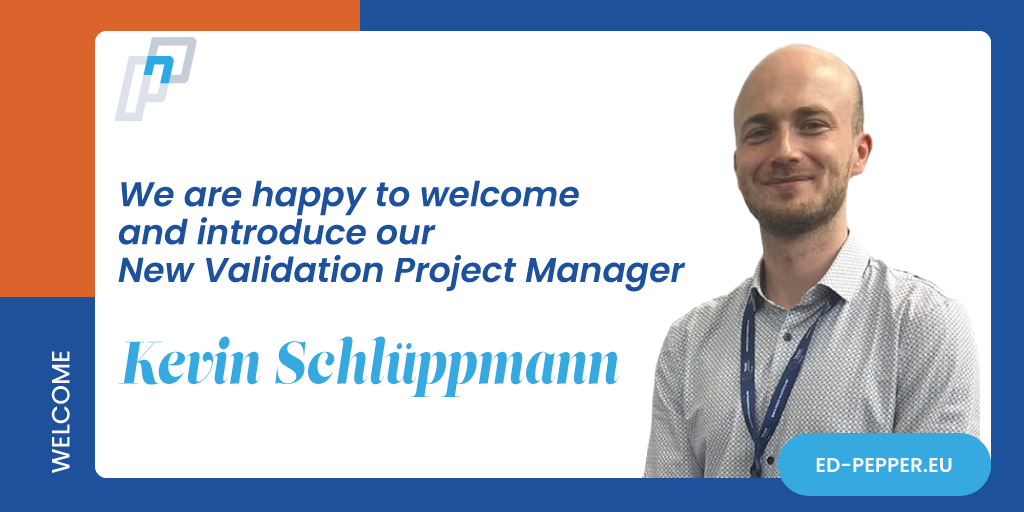
Nous sommes ravis d’accueillir Kevin Schlüppmann au sein de l’équipe Pepper en tant que Validation Project Manager ! 🎉

Son rôle chez Pepper

Kevin jouera un rôle clé dans la coordination et le soutien à la validation de nouvelles méthodes de test. Son travail contribuera à garantir des processus toujours plus précis et innovants.

Son parcours et son expertise

Kevin est titulaire d’un bachelor en biologie et d’un master en toxicologie. Au cours de son doctorat, il s’est spécialisé en perturbation endocrinienne et neurotoxicité développementale, développant des méthodes de test in vitro pour détecter les substances chimiques affectant le développement du cerveau.

Son expertise et son engagement seront des atouts précieux pour Pepper. Bienvenue, Kevin !

Appel à laboratoires pour deux nouvelles méthodes

Rejoignez 𝗣𝗲𝗽𝗽𝗲𝗿 en tant que 𝗹𝗮𝗯𝗼𝗿𝗮𝘁𝗼𝗶𝗿𝗲 𝗽𝗮𝗿𝘁𝗲𝗻𝗮𝗶𝗿𝗲 impliqué dans la validation de méthodes pour la caractérisation des perturbateurs endocriniens.

Nous avons le plaisir d’annoncer l’appel à candidatures pour des “laboratoires d’essais” afin de participer à la 𝗩𝗔𝗟𝗜𝗗𝗔𝗧𝗜𝗢𝗡 𝗗𝗘 𝟮 𝗡𝗢𝗨𝗩𝗘𝗟𝗟𝗘𝗦 𝗠𝗘𝗧𝗛𝗢𝗗𝗘𝗦 :
🔹 Peroxisome Proliferator-Activated Receptor γ Transactivation Assay (PPARγ-TA)
🔹 Progesterone Receptor Transactivation Assay (PR-TA)

📅 Date limite : envoyez votre candidature avant le 20 avril en suivant les instructions du document ci-joint à philippe.hubert@ed-pepper.eu et torben.osterlund@ed-pepper.eu.

➡️ Vous serez présent au SOT à Orlando (16-20 mars) ? N’hésitez pas à contacter Philippe Hubert en personne.

📨 Pour toute question, n’hésitez pas à nous contacter !

Bienvenue à notre nouvel Assistant de Direction

Nous sommes ravis d’accueillir Emilio URAZMETOV au sein de l’équipe PEPPER en tant que nouvel Assistant de Direction, succédant à Louisette Kaisermann.

💼 Ses missions chez Pepper
Emilio jouera un rôle clé dans la coordination et l’optimisation des processus internes, ainsi que dans le support opérationnel de la direction. Son expertise contribuera à renforcer notre organisation et notre efficacité.

🎓 Son parcours et ses compétences
Emilio possède une solide expérience en gestion de projet, optimisation des processus et accompagnement stratégique. Il a évolué dans des environnements exigeants où il a développé une forte capacité d’adaptation et un sens aigu de l’organisation.
Nous sommes convaincus que son savoir-faire et son engagement seront des atouts précieux pour Pepper.
Bienvenue Emilio !